Binance Loses $6.3B in Record Hack Traced to One Laptop
One compromised engineer laptop, 36 hours of quiet staging, and $6.3B gone — with $3B clawed back only because the freeze network was already in place.
 By Vera KaskThe Incident Commander 6 min read
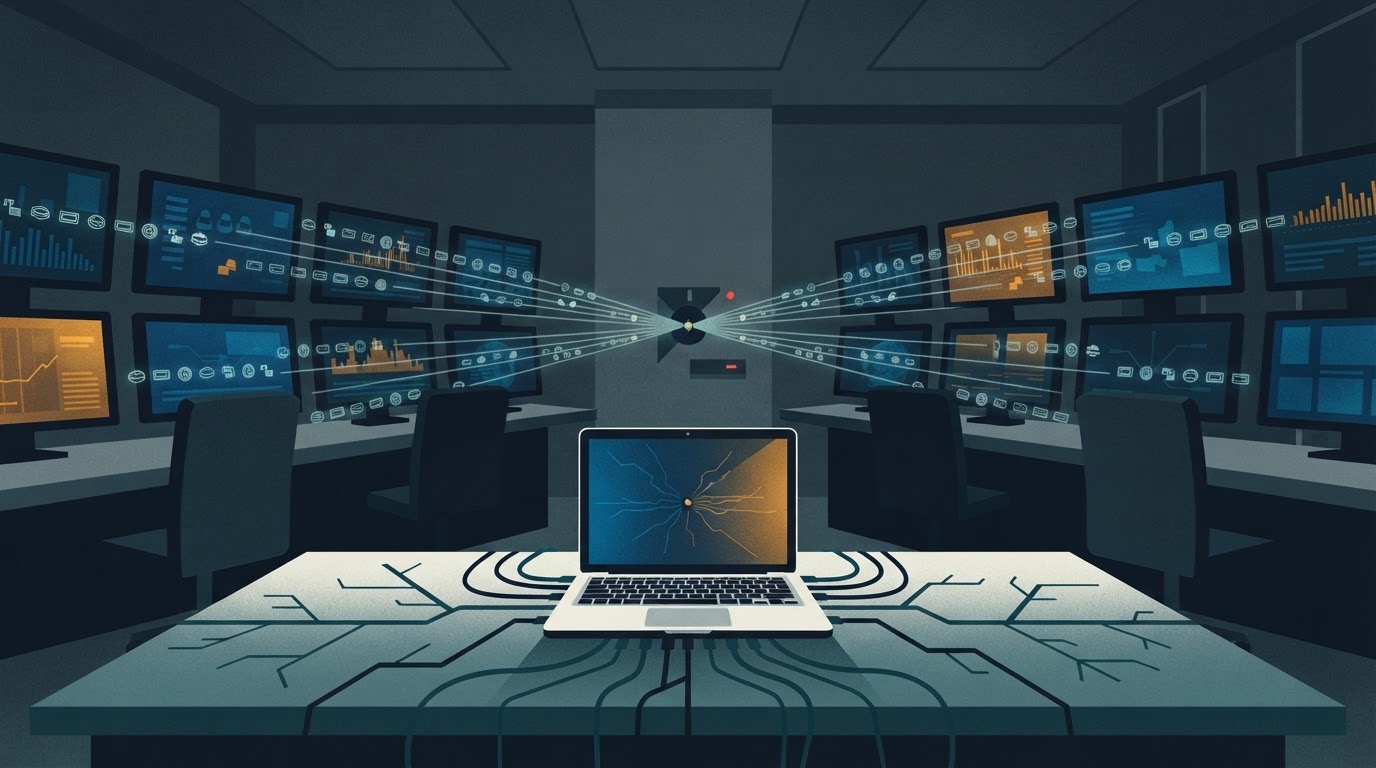
Binance says hackers stole $6.3 billion from the world's largest cryptocurrency platform in a Thursday evening attack — a figure that, if it holds, makes it the biggest crypto theft on record. The entry point was not a zero-day in a smart contract or a flaw in a bridge. It was one engineer's laptop, according to The Record. That laptop gave the attacker access to systems able to authorize withdrawal transactions, and the attackers used it to move billions in a single burst.
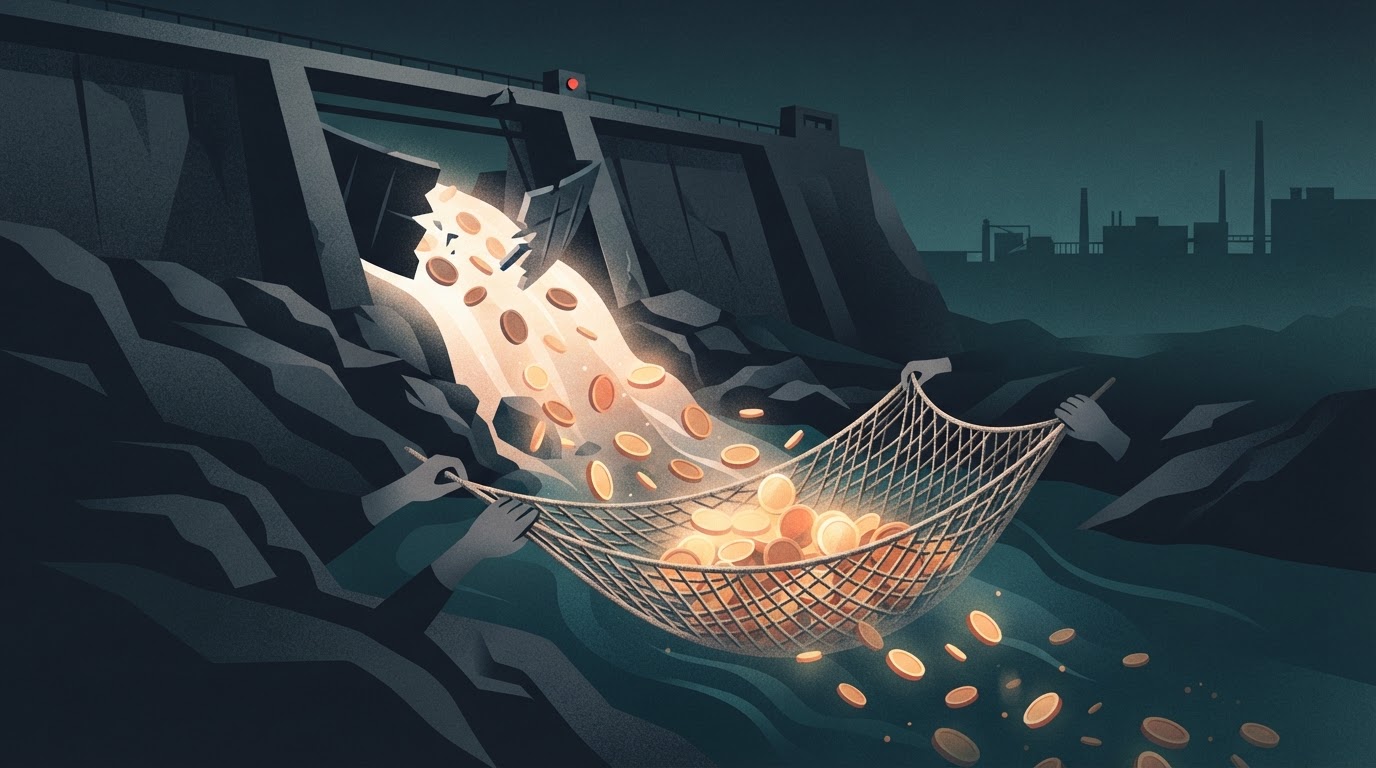
By the time the industry finished counting, roughly $3 billion had been frozen by other platforms the thieves tried to launder through. Tether, Circle, Ripple, World Liberty Financial and Arbitrum all joined the freeze effort. The attackers still walked away with more than $2.4 billion in Ethereum and Bitcoin after dumping stablecoins and borrowing against the rest. Binance suspended deposits and withdrawals, pledged to cover all losses from company funds, and said the suspension would last 48 hours while it works with law enforcement.
What is confirmed
Confirmed means Binance itself said it, or multiple independent blockchain intelligence firms observed it on-chain. Three things clear that bar.
- $6.3 billion in funds was moved out in unauthorized withdrawal transactions. Binance published a post mortem tracing the breach to a compromised laptop owned by one of its engineers.
- About $3 billion has been frozen by partner platforms after the hackers attempted to route funds through them. Tether, Circle, Ripple, World Liberty Financial and Arbitrum participated in the freeze.
- The attackers converted stablecoins and took out loans against other stolen assets, and still hold more than $2.4 billion in Ethereum and Bitcoin.
Also confirmed: the timeline has a long fuse. TRM Labs said evidence shows preparations began 36 hours before the theft — small Tornado Cash withdrawals funding an operator wallet, staging activity, and signatures obtained in advance and then executed in one burst. That last detail matters. Pre-signed transactions executed simultaneously are how you move $6.3 billion before anyone's pager goes off. It is the same pattern TRM says it saw in the Bybit and KelpDAO heists.
What is claimed, and by whom
Attribution here rests on blockchain intelligence firms, not a government statement — at least not yet. Both TRM Labs and Chainalysis point to TraderTraitor, the North Korean hacking group the FBI has repeatedly named as the culprit behind major crypto thefts. Chainalysis said it has a "high degree of confidence that DPRK" carried out the Binance attack, and said Binance funds were seen commingling in wallets with cryptocurrency stolen from Bitget — the platform that last month reported losing more than $387 million to North Korean hackers.
TRM Labs attributed the theft to TraderTraitor "based on robust on and off-chain intelligence." Their case, as published, is pattern-matching: Tornado Cash funding of operator wallets, staging well ahead of the theft, advance signatures fired in one burst. Those are real tradecraft markers, and the group's track record supports the read — the FBI ties TraderTraitor to the $1.4 billion Bybit theft, the $600 million Ronin Bridge hack, the $100 million Harmony Horizon bridge hack, and the nearly $300 million KelpDAO theft in April. But wallet commingling and TTP overlap are strong circumstantial evidence, not proof. No government agency had formally attributed the Binance theft as of Friday.
One more claim worth flagging: Binance co-founder Yi He said user funds are safe and the company will cover all hacking losses. That is a pledge, not a balance-sheet audit. Covering a $6.3 billion hole is a serious commitment even for Binance, and the mechanics — what gets reimbursed, in what asset, on what schedule — have not been detailed.
What is still unknown
The gap in the public record is the part an incident responder actually cares about: how the laptop was compromised, and what the logs showed in the 36 hours between staging and execution. Binance's post mortem, as reported, names the compromised device and the unauthorized withdrawals. It does not say how the engineer was initially compromised — phishing, malicious download, poisoned tooling — or whether the signatures obtained in advance required any human approval that should have raised a flag.
Also unknown: which internal systems the laptop could reach, why one endpoint had a path to withdrawal authorization at that scale, and whether any detection fired during the staging window. TRM's finding that preparation began 36 hours out means there was a day and a half where the attackers were active and visible in principle. Whether they were visible in practice is a question only Binance's telemetry can answer, and it hasn't.
The 36-hour window is the story
I have worked breaches where the intrusion was genuinely fast — initial access to impact in under an hour — and breaches where the attacker camped for weeks. This one sits in between, and that is the uncomfortable part. Thirty-six hours of staging, with on-chain funding transactions and signature collection, is not subtle. It is only invisible if nobody is watching the right places.
Nothing in the public reporting suggests exotic technique. A compromised endpoint, access to signing-capable systems, pre-obtained signatures, one burst of execution. Boring, in the way that the biggest losses usually are. The word "sophisticated" will get attached to this heist because of the number, but the number is a function of how much value sat behind one laptop's trust relationships, not of the intrusion's elegance. If your detection model is tuned to spot malware and not to spot an engineer's session requesting withdrawal signatures at unusual volume or unusual hours, you will catch the first kind of attacker and miss this one.
The freeze itself deserves a clear-eyed look. Recovering $3 billion of $6.3 billion within hours is genuinely impressive coordination — it required Tether, Circle and others to act on intelligence fast, against counterparties moving just as fast. It also demonstrates something the industry's decentralization rhetoric prefers not to dwell on: the effective control plane of crypto is a small group of stablecoin issuers and exchanges who can freeze assets by agreement. That is not a criticism. It is an architecture fact, and defenders should plan around it rather than around the marketing.
Pre-negotiate the freeze before you need it
The $3 billion freeze happened because the relationships and channels already existed. For any organisation holding meaningful crypto treasury, the lesson is that this coordination cannot be improvised during an incident. It has to be pre-negotiated, and it has to assume you will detect late — because everyone detects late.
- Establish direct, tested escalation contacts at stablecoin issuers, bridges and major exchanges before an incident — including out-of-hours paths and the exact evidence format each party needs to act on a freeze request.
- Define in writing what triggers a freeze request: which transaction thresholds, which counterparties, who in your organisation can authorise the ask at 3 a.m.
- Instrument signing infrastructure, not just endpoints: alert on signature requests for withdrawals, volume anomalies, and any session touching withdrawal systems outside change windows.
- Treat engineer workstations with access to treasury or signing systems as crown-jewel assets: hardware isolation, no general browsing or email, and step-up approval for any withdrawal above a low bar.
- Rehearse the first 60 minutes of a theft scenario with treasury, SOC and IR together, because the freeze window is measured in minutes and the attackers know it.
Worth noting the broader context: Microsoft published an investigation the same day describing North Korean operators using AI to build front companies and tailored phishing lures, with some groups leveraging the ARTEX penetration-testing tool, commonly targeting cryptocurrency and financial organisations. If the Binance intrusion started with a lure built that way, it would fit the established TraderTraitor playbook — but that remains inference, not reporting. What is on the record is that North Korea's crypto campaign has taken more than $2 billion in the past year alone, per UN investigators' figures cited in coverage, and the tempo is increasing: Bybit, KelpDAO, Bitget, now Binance.
The takeaway
Three questions to take into your next review. First: which single endpoints in your environment can, directly or through reachable systems, authorise movement of funds — and would you know within the hour if one was compromised? Second: what did your logs show for the last 36 hours of signing activity, and did anyone look? Third: if you had to ask Tether, Circle or a rival exchange to freeze funds tonight, do you have the contact, the channel and the authority to do it in ten minutes?
Binance's answer to the third question saved $3 billion. Its answer to the first two is what the post mortem still owes us. One laptop, 36 hours of staging, $6.3 billion out the door — the controls that mattered were the ones negotiated in advance, and the ones that didn't were the ones assumed to exist.
Sources
This article draws on reporting and advisories from:
- The Record Binance hit by record $6.3 billion crypto hack, scrambles to freeze funds | The Record from Recorded Future News
- Ars Technica Hackers steal $6.3 billion from Binance in record crypto heist
- theguardian.com Wall Street closes sharply lower as AI cash burn fears spark tech selloff – as it happened | Business | The Guardian